

Available 24/7 at
+86 13632816717

What is a Printed Circuit Board?
Printed circuit board (PCB) is the core foundation of electronic devices, responsible for integrating and connecting various electronic components. It provides a stable mounting platform for micro components such as chips, resistors, and capacitors, while enabling electrical interconnection and signal transmission between them. This article will focus on what a printed circuit board is and the printed circuit board design and manufacturing.
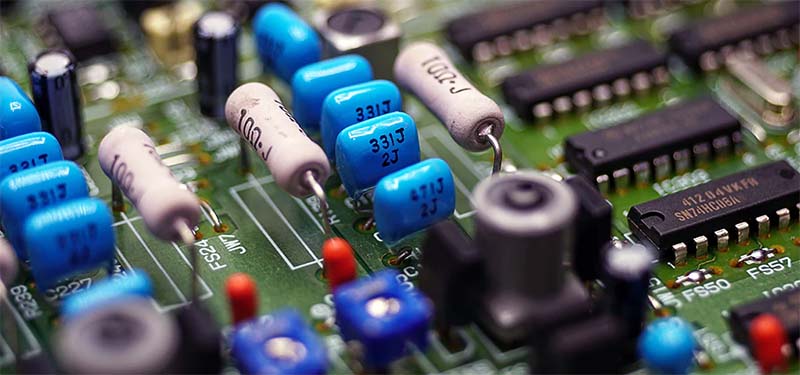
Compared with traditional manual wiring, a PCB uses precisely designed copper traces to complete electrical connections between components, resulting in a more organized circuit layout, a more compact structure, and significantly improved stability and reliability of electronic products.
What is a Printed Circuit Board and How is Works?
A printed circuit board (PCB) serves as the core carrier and connection hub of electronic devices. It is built on an insulating substrate with pre-designed conductive copper traces and pads on the surface. Through these conductive pathways, various electronic components-such as resistors, capacitors, integrated chips, and sensors-are precisely connected to form a complete electrical circuit.
The PCB's insulating base holds components in place and isolates circuits to prevent short circuits. The conductive traces, meanwhile, enable three key functions: power transmission, signal transfer, and data communication. Together, they allow different components to work in coordination so the device can perform functions such as computing, control, display, and communication.
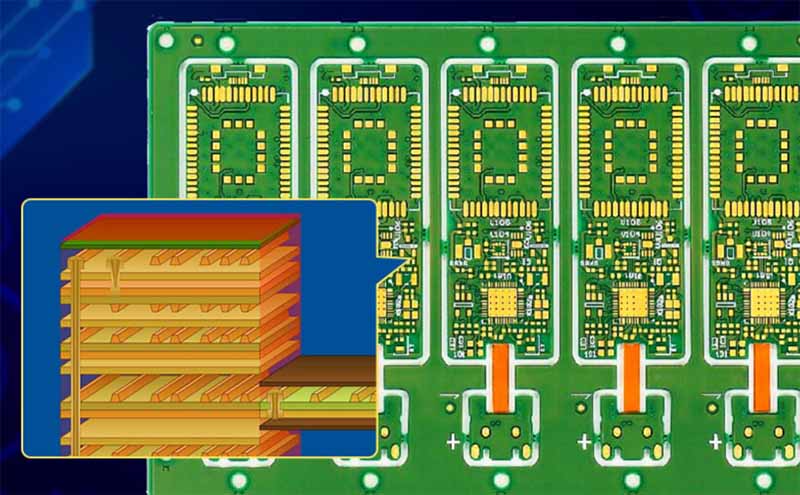
Printed Circuit Board Basic Structure
A PCB uses an insulating substrate as its structural foundation, with a layer of conductive copper foil on the surface. Through an etching process, the copper foil is formed into predefined traces and pads. These are then protected by a solder mask layer, and finally a silkscreen layer is added to mark component labels and text.
- Insulating Substrate: Provides mechanical support and electrical insulation, preventing short circuits between circuits.
- Conductive Trace Layer: Formed by etched copper foil, responsible for transmitting electrical power and signals while connecting electronic components.
- Solder Mask Layer: Covers the copper traces to provide insulation and protection against oxidation and short circuits.
- Silkscreen Layer: Used to print text, symbols, and component reference numbers to assist with component placement and identification.
For multilayer PCBs, additional inner copper layers and dielectric layers are stacked inside the board. Electrical connections between layers are achieved through vias, which further increase routing density and circuit integration.
Types of Printed Circuit Boards
Based on structure and manufacturing processes, PCBs can generally be divided into four main types: single-sided, double-sided, multilayer, and flexible PCBs, each designed to meet different integration levels, space constraints, and application requirements.
Single-Sided PCB
A single-sided PCB has conductive traces and pads on only one side of the insulating substrate. Components can be mounted only on the side with circuitry. Its simple structure and low cost make it suitable for basic electronic products with simple circuits and fewer components.
Double-Sided PCB
Double-sided PCBs have conductive traces on both the top and bottom surfaces of the substrate. Vias connect the circuits on both sides, enabling higher routing density and more flexible design options. This type is widely used in consumer electronics and industrial control devices.
Multilayer PCB
Multilayer PCBs are made by laminating three or more conductive layers with insulating dielectric layers in between. Vias provide interconnections between layers, resulting in high routing density, compact size, and excellent shielding performance. These boards are commonly used in smartphones, computers, servers, and other advanced devices.
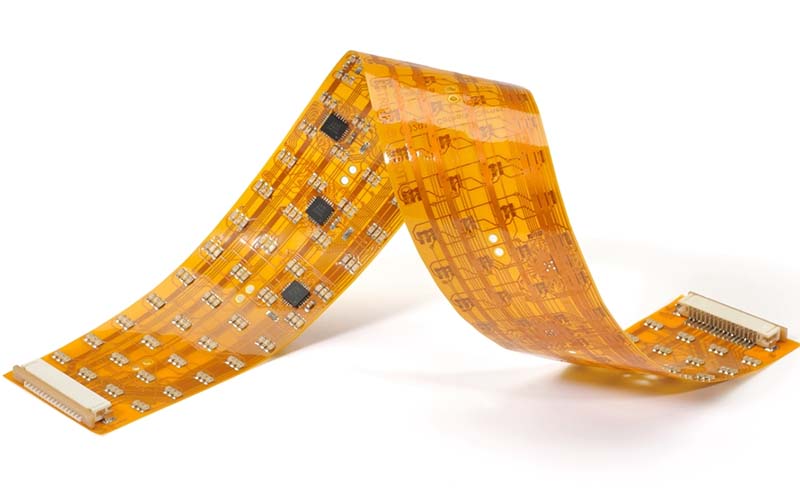
Flexible Printed Circuit Board (FPC)
Flexible PCBs are constructed from flexible insulating materials, which allow them to bend, fold, or twist. Their lightweight design and small footprint make them ideal for compact, irregularly shaped, or movable applications. FPCs are widely implemented in displays, cameras, and wearable electronics.
PCB Manufacturing Process
The manufacturing of a printed circuit board (PCB) generally involves three main steps: printing, etching, and soldering.
- Printing: The designed circuit pattern is printed onto the insulating substrate using a photo-resist layer. This step "transfers" the circuit layout onto the board and positions it accurately for the subsequent etching process.
- Etching: Unwanted copper is removed using chemical solutions, leaving only the copper traces and pads defined by the printed pattern. This forms the conductive pathways needed for the circuit.
- Soldering: Electronic components such as resistors, capacitors, and chips are attached to the PCB pads using solder. This establishes the electrical connections between components and traces, giving the board its functional capabilities.
What is Printed Circuit Board Used For?
A printed circuit board (PCB) is essential in nearly all modern electronic devices, including smartphones, tablets, wearable devices, wireless chargers, and various power products. These multilayer boards, made from multiple materials, serve as the core platform for creating PCBAs. They primarily enable electrical current and signal connections between active and passive components.
At its most basic level, a PCB ensures that electronic devices can perform fundamental functions. It provides stable pathways for current and signals, allowing devices to start up and operate reliably.
Computer Motherboard
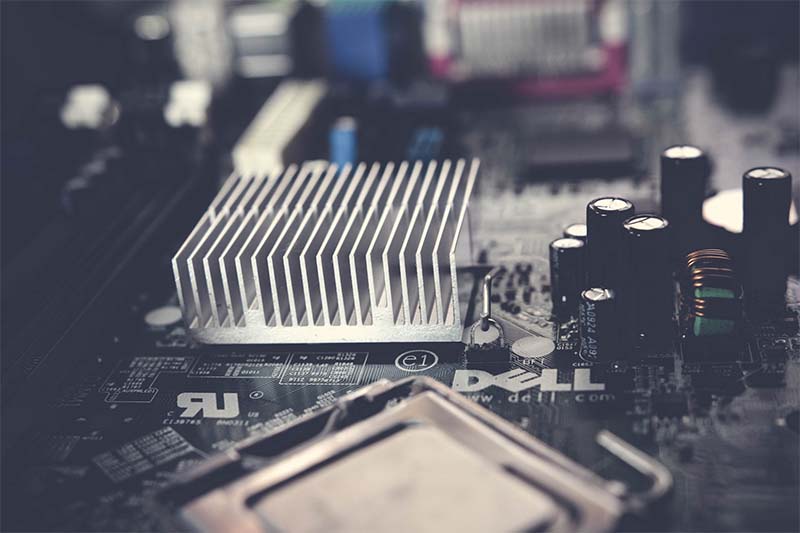
With specialized components and custom designs, PCBs can support complex functions and computational tasks. A typical example is a computer motherboard, which serves as a central hub for processing and communication. Beyond computers, PCBs are widely used in home appliances and industrial equipment.
Medical Devices
In the medical field, PCBs are indispensable. Whether in monitoring instruments, diagnostic equipment, or portable medical devices, stable and reliable PCBs ensure accurate signal transmission and safe, consistent operation. High-quality PCBs are critical to meeting the strict precision, reliability, and safety standards required in medical applications.
Automotive Electronics
The rapid growth of automotive electronics has expanded PCB use in vehicle systems. From engine control and in-car entertainment to navigation systems and autonomous driving modules, PCBs enable circuit connectivity and signal processing. Automotive PCBs must withstand high temperatures, vibrations, and long service lifetimes, making them vital for the stable operation of vehicle electronics.
Displays
Display devices also rely heavily on PCBs. Whether for LCDs, OLED screens, or industrial touch panels, dedicated driver boards manage image signal transmission, backlight control, and chip driving. PCBs provide the stable circuitry needed to ensure clear visuals, fast response, and reliable performance.
What is the Difference Between PCB and CBA?
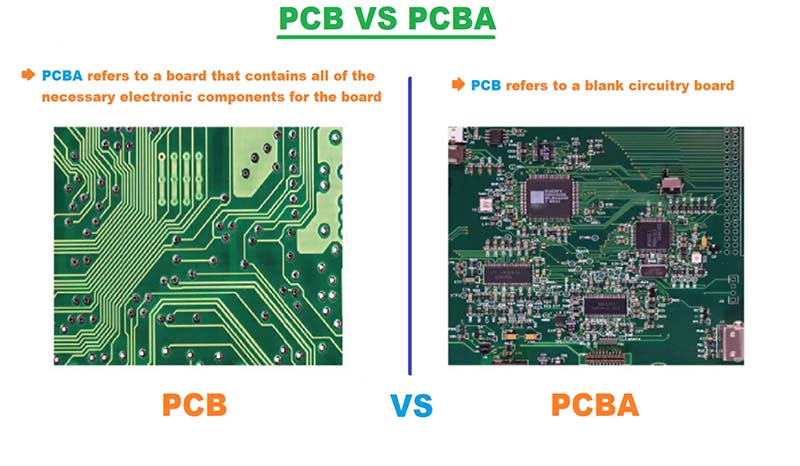
The PCB (Printed Circuit Board) is a board created using processes such as printing, copper plating, and drilling to form electrical circuits. It provides essential support for mounting electronic components and establishing electrical connections.
The PCBA (Printed Circuit Board Assembly) refers to the processed and assembled PCB. This typically includes procedures such as SMT (surface-mount technology) component placement and DIP (through-hole) insertion.
PCB and PCBA represent two different stages of the same overall process. A PCB consists of a flat, rigid substrate-usually made of materials like fiberglass and epoxy resin-etched with copper traces. These copper traces provide pathways for electrical signals, connecting various components on the board.
In contrast, a PCBA is a fully functional circuit board that includes all the components necessary for a specific application. Once assembled, PCBA can be directly integrated into electronic devices. Fully assembled PCBAs are widely used in consumer electronics, computers, automotive electronics, medical devices, and more. These complete assemblies are essential parts of modern devices, capable of performing functions ranging from power management to complex signal processing.
|
Item |
PCB |
PCBA |
|
Status |
Bare board without any components, only circuit formed, no practical function |
Finished circuit board with components mounted/soldered and tested, ready for direct assembly |
|
Composition |
Insulating substrate, conductive copper circuit, positioning holes, pads, solder mask & silkscreen layer |
PCB bare board + various active/passive electronic components, with auxiliary materials and processes like soldering & testing |
|
Manufacturing |
Front-end substrate processing, focusing on board fabrication including circuit etching and forming |
Back-end assembly processing, focusing on component mounting, soldering and functional debugging |
|
Function |
Provides mechanical support for components and builds basic electrical & signal transmission paths |
Integrates circuits to realize complete electronic control functions, covering signal processing, data transmission, instruction execution, etc. |
|
Cost Proportion |
Low cost, affected by substrate material, layer count and process difficulty |
Higher than PCB, about 70%-90%, mainly component costs plus SMT mounting and testing fees |
Printed Circuit Board Design and Manufacturing
PCB Design
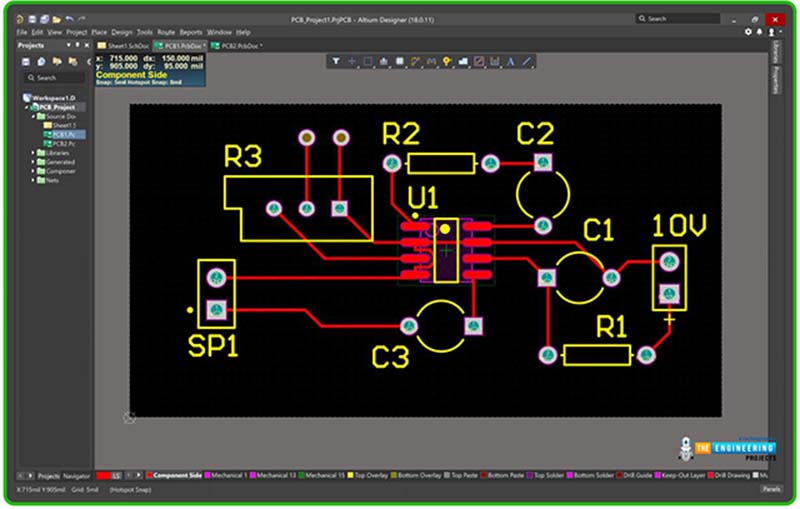
PCB design involves selecting appropriate components, connecting them through schematic design, and defining the physical layout of the printed circuit board. The goal of PCB design is to generate accurate board files with a reliable, practical, and manufacturable structure.
PCB Manufacturing
PCB manufacturing refers to the process of producing bare boards based on design output files. It includes a series of processing steps, starting from dielectric and laminate materials, fabricating according to specifications, and ending with inspection and testing to meet required standards.
How Much Does PCB Assembly Cost?
The cost of PCBA is affected by many factors, including labor costs, mold costs, setup fees, lead time, order quantity and production technology. Component cost is also a major part, and the total PCBA cost varies by country and region. Transportation and packaging are also cost factors to be considered.
Initial labor costs include front-line workers and automated production line investment. Labor costs vary between regions, and product quality standards also differ. Custom shapes and special structures will increase overall labor costs. Mold and setup fees for non-standard designs are usually high, while standardized PCB design can effectively reduce such extra costs.
Where Can i Buy PCB Circuit Board?
Choosing a suitable PCBA manufacturer requires comprehensive evaluation of the factory's production capacity, process level, quality control system and delivery capability. Attention should also be paid to whether its component sourcing channels are formal, whether the precision of SMT mounting and DIP assembly meets product requirements, and whether it has complete testing and aging procedures. Lead time, minimum order quantity, pricing system, after-sales service and technical support are also important evaluation criteria.
Our PCBA Services
Eastech provides one-stop professional PCBA circuit board assembly solutions, including board-level circuit assembly and complete machine assembly and testing services. We are proficient in SMT processing and DIP through-hole assembly technologies, supporting diversified assembly needs from fully automatic high-speed production lines to high-precision manual soldering, providing customers with stable, reliable and cost-effective one-stop electronic manufacturing services.
Finally, from basic current and signal routing to supporting complex, high-performance applications, PCBs form the foundation of modern electronic devices. Knowing what is printed circuit board used for helps highlight their critical role across consumer electronics, medical devices, automotive systems, and industrial equipment. By choosing the right PCB and PCBA for your project through EASTECH, you can ensure reliable performance, efficient assembly, and a stable supply of components.
Related information
- 2026.09.20 What is Ceramic Packaging Chip?
- 2026.09.13 What is SMD Resistor?
- 2026.09.06 What is Bus Interface IC?

- 2026.08.30 How to Select Supercapacitor?