

Available 24/7 at
+86 13632816717

How Electronic Components Work?
Electronic devices have become an indispensable part of our daily lives. Nearly every industry relies on electronic devices, which are built from electronic components that provide power and control to the system. So, what is electronic components? An electronic circuit is made up of various electronic components. These include microcontrollers as the core, along with many other devices such as resistors, capacitors, diodes, and transistors. Resistors limit the flow of current, capacitors store electrical charge, diodes control the direction of current flow, and transistors regulate and switch current within the circuit.
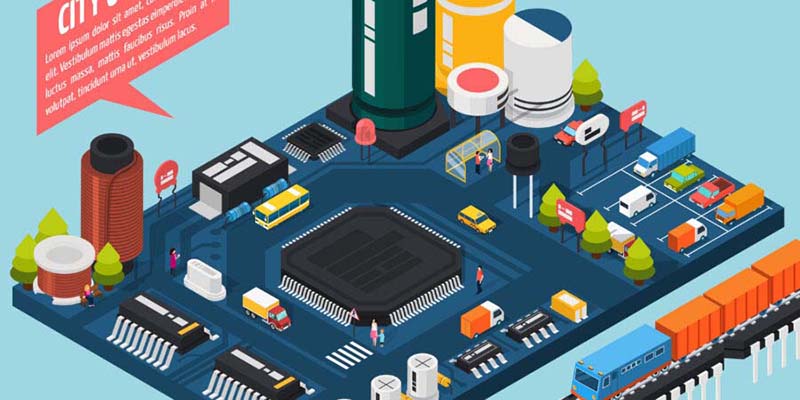
With the rapid advancement of modern technology, electronic devices are continuously evolving toward miniaturization, higher performance, and multi-functionality. Inside these devices are highly sophisticated circuit systems composed of thousands or even tens of thousands of components, placing extremely high demands on integration and stability. Against this industry backdrop, integrated circuits (ICs) have become indispensable core components of the electronics sector.
An integrated circuit is a key electronic device that integrates complex circuits onto a tiny silicon chip. With advantages such as compact size, low power consumption, and high reliability, ICs are widely used in smartphones, laptops, high-end consumer electronics, and industrial intelligent equipment. They serve as a fundamental building block enabling modern electronic products to achieve slimmer designs and superior performance.
How Electronic Components Work?
Electronic components are the basic building blocks of all electronic devices. They control the flow of electric current to perform functions like switching, amplifying, storing energy, and processing signals. They are mainly divided into passive components and active components.
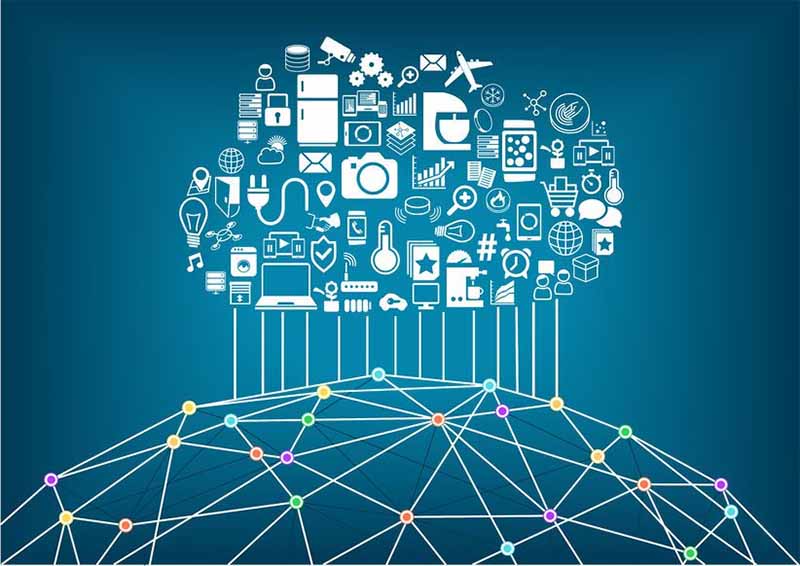
Basic Electronics Components and Their Functions
Passive Components
Passive components do not need an external power supply to operate. They cannot amplify or generate electrical signals, but can store, dissipate, or filter energy.Common examples:
Resistors: Limit or control the amount of current flowing through a circuit.
Capacitors: Store and release electrical energy, filter signals, and stabilize voltage.
Inductors: Store energy in a magnetic field and resist changes in current.
Transformers: Change voltage levels and isolate circuits without moving parts.
Active Components
Active components require an external power source to operate. They are capable of amplifying, switching, or generating electrical signals, making them essential for signal processing and control in electronic circuits.
Examples include transistors, field-effect transistors (MOSFETs), integrated circuits (ICs or chips), microcontrollers (MCUs), sensors, power management ICs (PMICs), optocouplers, and LEDs (in certain driven applications).
Integrated Circuits (ICs): Also known as chips or microchips, integrated circuits are high-density electronic circuits that integrate thousands or even millions of microscopic resistors, capacitors, diodes, and transistors onto a single semiconductor substrate.
Transistors & MOSFETs: Act as electronic switches or amplifiers for current and voltage.
Integrated Circuits (ICs) / Chips: Combine millions of components to process data, compute, and control systems.
Diodes: Allow current to flow in one direction only, used for rectification and protection.
Electronic components are the fundamental building blocks of modern devices, working together to perform a wide range of functions. These components include semiconductors such as transistors for amplification and switching, resistors for controlling current, capacitors for storing electrical charge, and integrated circuits for complex computation.
By skillfully integrating these elements, devices can perform tasks ranging from simple calculations in basic calculators to sophisticated operations in advanced smartphones, fully demonstrating the exceptional synergy among different components in the field of electronics.
What is an Embedded System?
An embedded system is a computer system integrated within a larger device, designed for a specific application or dedicated function. It consists of both hardware components-such as processors and memory-and software tools, including compilers and debuggers. Together, these elements form a complete system capable of processing, storing, and transmitting data.
Unlike general-purpose computers, embedded systems are built to control, monitor, or execute a particular task. They typically include a processor, peripheral circuits, sensors, and application software. Embedded systems are widely used in home appliances, automotive electronics, industrial control, smart home devices, and medical equipment.
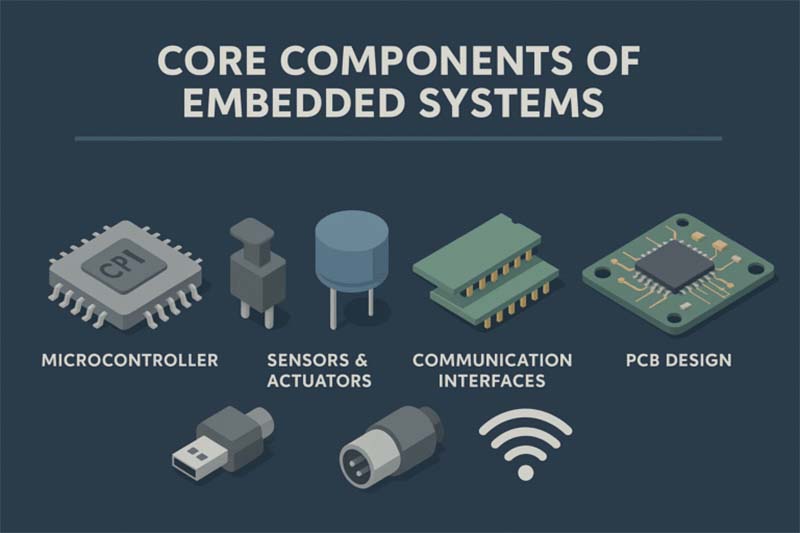
What Electronic Components in Embedded Systems?
- Microcontroller (MCU): The core of the entire system, responsible for computation, control, and program execution.
- RAM (Random Access Memory): Temporarily stores data during program operation; data is lost when power is turned off.
- ROM/Flash (Read-Only Memory / Flash Memory): Stores program code and configuration data long-term; data is retained even when power is off.
- Timers/Counters: Provide timing, delay, and counting functions, used for controlling execution cycles, PWM output, and timing synchronization.
- Sensors: Collect external signals such as temperature, humidity, light, pressure, and displacement, enabling the system to perceive its environment.
- Crystal Oscillator: Generates a stable clock signal to ensure synchronized operation of the processor and other modules.
- Resistors and Capacitors: Used for current limiting, voltage stabilization, and filtering to enhance circuit stability and noise immunity.
- Power Management ICs (PMICs): Supply stable and appropriate voltage levels to ensure proper operation of all components.
- Transistors / MOSFETs: Function as electronic switches to drive external devices such as motors, lighting, and relays.
- Printed Circuit Board (PCB): Serves as the physical platform that connects all electronic components into a complete circuit.
In short, the MCU acts as the brain, sensors serve as the sensory organs, and the power supply and peripheral components ensure the system operates stably and reliably to accomplish specific tasks.
Microcontrollers (MCU) and Microprocessors (MPU) in Embedded Systems
|
|
Microcontrollers (MCU) |
Microprocessors (MPU) |
|
Structure |
Single-chip integration: CPU + memory (RAM/ROM) + peripheral interfaces + clock + timers, etc., without the need for numerous external components.
|
Only integrates a high-performance CPU core; external memory (DDR), storage (Flash), power supply, peripheral interfaces, etc., are required to form a complete system. |
|
Features |
Low cost, low power consumption, high real-time performance, small size, fast startup, and high stability.
|
Strong computing power, supports multitasking, capable of running complex operating systems; with relatively high power consumption, complex peripheral circuits, and higher cost.
|
|
Embedded System Applications |
Home appliances (washing machines, microwave ovens), sensors, motor control, industrial control, basic IoT terminals, wearable devices, automotive auxiliary electronics |
Automotive infotainment systems, smart TVs, industrial gateways, high-definition medical equipment, high-end IoT gateways, embedded servers |
|
Computing requirements |
Control-oriented scenarios with low computing power requirements, low power consumption, miniaturization, and low cost.
|
Scenarios demanding high computing power, multitasking, and complex interaction, with no strict restrictions on power consumption and cost. |
|
Operating System |
Mostly runs on a Real-Time Operating System (RTOS) or no operating system; does not support complex systems. |
Can smoothly run complex operating systems such as Linux and Android, and supports multi-thread scheduling. |
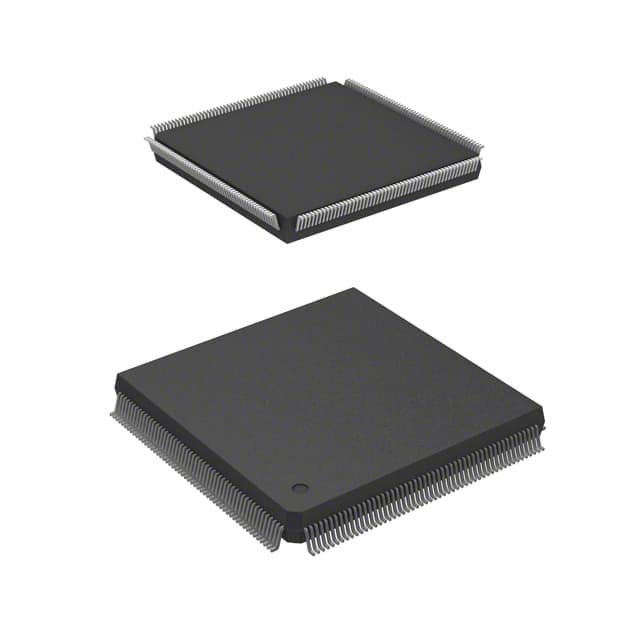
Applications of Embedded Systems
Home Electronics: Embedded systems control TVs, washing machines, microwave ovens, and smart appliances, enabling automated operation and intelligent interaction.
Automotive Systems: Used in engine control, advanced driver assistance systems (ADAS), in-vehicle infotainment, and connected car technologies to enhance driving safety and intelligence.
Medical Equipment: Support the stable operation of patient monitors, CT scanners, ventilators, and glucose meters, ensuring accurate diagnosis and reliable treatment.
Industrial Automation: Control PLCs, robots, CNC machines, and sensors to achieve efficient, stable, and unmanned production line operations.
Telecommunication Systems: Applied in base stations, routers, and switches to ensure stable signal transmission and high-speed, reliable network performance.
Wearable Devices: Power smart bands, watches, and earbuds, enabling health monitoring, fitness tracking, and convenient intelligent interaction.
Internet of Things (IoT): Serve as the core of various smart terminals, enabling data acquisition, device connectivity, and remote control between interconnected systems.
Challenges of Electronic Components in Embedded System Design
Resource Shortages and Unstable Lead Times
Long-term supply-demand imbalances for core chips, sensors, and passive components frequently lead to shortages, production delays, and extended lead times, directly impacting product development and mass production schedules.
Rising Costs and Significant Price Fluctuations
Multiple factors such as raw material costs, manufacturing capacity, and market demand continue to drive component price increases, significantly raising the overall cost of embedded products and increasing operational pressure on companies.
High Technical Barriers and Compatibility Requirements
Embedded applications vary widely and impose strict requirements on component packaging, interfaces, and driver compatibility. Development and debugging can be complex, demanding strong technical expertise from engineers.
Stringent Performance Requirements
Systems must simultaneously achieve high computing performance, low power consumption, compact size, and high stability. Balancing high performance with low power and low cost remains a major challenge.
Environmental Adaptability and Reliability Challenges
Industrial, automotive, and medical applications must withstand extreme temperatures, vibration, and electromagnetic interference, placing extremely high demands on component reliability, lifespan, and stability.
Information Security and Functional Safety Requirements
The growing cybersecurity risks. In automotive and medical fields, compliance with functional safety standards is essential, and insufficient built-in safety mechanisms in components can pose significant risks.
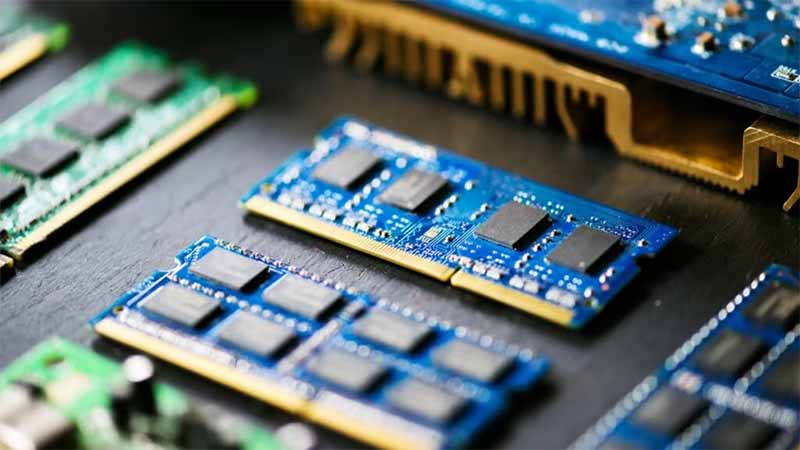
In today's highly competitive and rapidly evolving high-tech market, on-time delivery, continuous supply of high-quality components, and reliable technical support are the ultimate criteria when selecting a supplier. EASTECH ELECTRONICS is a globally recognized and reliable distributor of electronic components. EASTECH maintains sustainable access to a vast inventory of in-stock components and has obtained official authorization from more than 2,000 component manufacturers.
As a distributor of electronic components, EASTECH Electronics holds extensive ready-to-ship inventory covering over 500,000 electronic components models. It offers a large number of obsolete components as well as many active and in-production parts. Whether you are looking for popular items or hard-to-find components, you can find them at eastechic.com
Are you designing your embedded system? With deep expertise in the embedded field, we fully understand that stable, high-quality electronic components are the core foundation for efficient system performance. We will provide a tailored electronic components of embedded systems supply solution, ensuring consistent supply and reliable quality throughout the process, and helping you bring your embedded system development to successful implementation efficiently and effectively. If you are interested in our products, please feel free to contact us.
Related information
- 2026.08.09 What Are Automotive Chips?
- 2026.07.19 What is GDDR Memory?
- 2026.05.05 What are Inertial Measurement Units?