

Available 24/7 at
+86 13632816717

Guide to Electronic Components For Medical Devices
The medical field is advancing at an astonishing pace, and medical devices are becoming more precise, efficient, and intelligent than ever before. At the core of medical devices are electronic components that power diagnostic tools, monitoring systems, and therapeutic equipment. These components ensure accuracy, functionality, and reliability. In this blog, we will take an in-depth look at electronic components in the medical industry and their applications.

What are the Electronic Components for Medical Devices
Microchips and Processors
Microchips and processors are integrated circuits that control the operation of medical devices, process data, and enable connectivity. These components are essential to the functionality of complex medical equipment such as medical imaging systems, diagnostic instruments, and wearable health monitors. They ensure real-time data processing, precise device control, and reliable communication with other systems, supporting accurate diagnostics and efficient patient care.
Sensors
Sensors are devices used to detect and measure physical parameters such as temperature, pressure, flow rate, and chemical composition. In medical devices, sensors play a critical role in monitoring patient conditions, regulating device performance, and ensuring diagnostic accuracy. Common examples include temperature sensors in digital thermometers, pressure sensors in ventilators, and glucose sensors in blood glucose monitoring systems. Their precision and stability are vital for safe and effective medical treatment.
Thermal Management Components
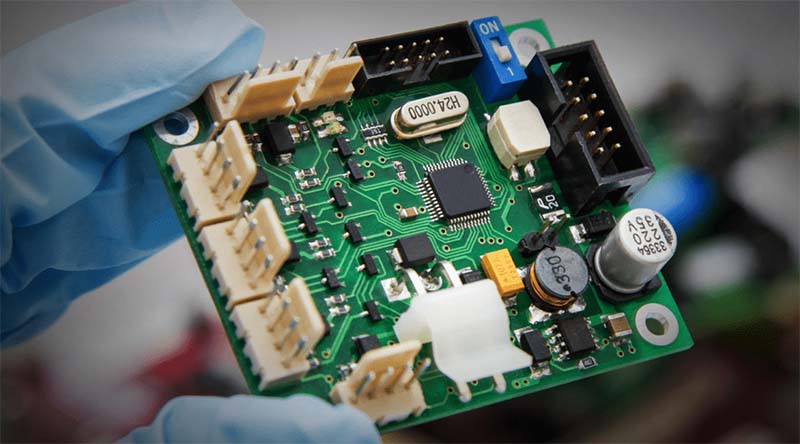
Thermistors, thermostats, and thermal circuit breakers are used to sense, regulate, and protect against temperature fluctuations across a wide range of medical device applications. Heat sinks further support thermal management by efficiently dissipating excess heat, helping ensure stable operation, device longevity, and patient safety.
Magnetic Components
Inductors, chokes, transformers, and custom magnetic solutions are widely used in medical equipment such as patient monitoring systems, medical imaging devices, and laboratory instruments. These components enable power regulation, signal filtering, and electrical isolation, all of which are essential for reliable and compliant medical device performance.
Capacitors
AC capacitors, including high-pulse capacitors and snubber capacitors, are commonly applied in medical device power circuits, energy storage systems, and other electronic subsystems. They help maintain voltage stability, suppress electrical noise, and protect sensitive components.
Resistors
Power resistors-such as high-voltage resistors, wire-wound resistors, thick-film resistors, and thin-film resistors-provide precise resistance values and effective thermal handling. They are critical for patient monitoring systems, diagnostic equipment, temperature sensing circuits, and medical imaging devices, ensuring consistent and reliable performance.
Relays
Relays are used in both routine medical equipment and emergency life-support systems to provide safe circuit switching, electrical isolation, and reliable control of power and signal paths.
Connectors
Control Connectors are used to transmit signals and control functions between different parts of a machine or system. Common examples include D-sub connectors, flat cable connectors, and IDC connectors.
Data Connectors facilitate data transmission between devices or systems, such as Ethernet or USB connections. Examples include USB connectors, Ethernet connectors, D-sub connectors, HDMI connectors, and M12 Ethernet connectors.
Specialized Connectors such as M12 connectors, M8 connectors, bayonet locking connectors, threaded locking connectors, and waterproof connectors provide secure and reliable connections in demanding medical applications.
Power Connectors are designed to handle high voltages and large currents, making them ideal for patient monitoring systems, surgical instruments, diagnostic equipment, and imaging devices. Examples include high-load power connectors, distribution connectors, hybrid signal connectors, and power input connectors.
Flexible Printed Circuits (FPC) and Rigid-Flex Boards
FPCs and rigid-flex PCBs offer wide-ranging applications and high reliability in medical devices. They provide flexibility, durability, and high-performance signal transmission in compact and lightweight form factors, making them ideal for modern, space-constrained medical designs.
Power Management Components
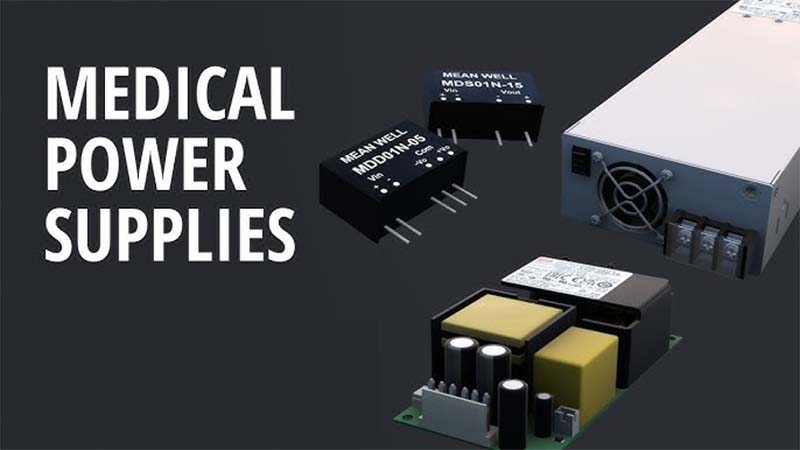
Stable power supply is especially critical in portable and implantable medical devices. Power management components-including batteries, power converters, and voltage regulators-ensure that all device subsystems receive continuous and reliable power. Our product range includes DC/DC converters, DC/AC inverters, battery packs, accumulators, and chargers, delivering stable and efficient power for a variety of medical applications.
Circuit Protection
We offer a comprehensive range of high-quality circuit protection components, including fuses, fuse holders, and circuit breakers. These components are specifically designed to protect electronic medical devices from overvoltage, overcurrent, and other electrical hazards in harsh operating environments.
Embedded Solutions
Medical Displays
Medical-grade displays are prized for their durability and clear visibility, making them suitable for both indoor and outdoor clinical environments. Available in types such as TFT, OLED, and LCD, these displays come in a range of sizes and resolutions to accommodate various medical device requirements. Advanced smart embedded module displays provide additional functionality and enhanced performance for sophisticated healthcare applications.
Industrial-Grade Memory
Reliable, industrial-grade memory is essential for medical devices like patient monitoring systems (both server-based and mobile), ultrasound machines, and genomic sequencing instruments. DDR and SDRAM modules come in multiple form factors (including ULP/VLP) and configurations, offering dependable, high-performance data storage and processing capabilities.
Storage Devices
Our medical storage solutions include SSDs and rugged microSD cards in various form factors (such as M.2 and compact SD cards), interfaces (PCIe), and protocols (SATA, NVMe). These components deliver fast, dependable, and energy-efficient data storage, even in demanding medical environments, ensuring smooth operation and secure management of critical healthcare data.
Application of Medical Electronic Components
Enhancing Diagnostic Equipment
Semiconductor components play a crucial role in modern diagnostic devices by converting analog signals into digital data, enabling efficient image processing and analysis. These components support advanced imaging technologies, improving diagnostic accuracy and helping healthcare professionals detect conditions earlier. Beyond imaging, semiconductors also enhance the performance of biosensors-devices that detect and measure biological markers, which are substances in the body that indicate disease. Semiconductor-based biosensors can identify biomarkers associated with conditions such as cancer, diabetes, and infectious diseases, facilitating earlier and more precise diagnosis.
Patient Monitoring Devices
Patient monitoring systems continuously track vital signs, including heart rate, blood oxygen levels, and body temperature. Optocouplers in these devices transmit signals from the sensors to the control systems while maintaining electrical isolation, ensuring safe and reliable operation.
Control Systems in Medical Equipment
The control systems of medical devices process inputs from multiple sensors to regulate device functions accurately. Electronic components are essential for capturing and interpreting these signals, enabling the system to respond quickly and precisely to changing patient conditions.
Implantable Medical Devices
Implantable devices such as pacemakers, neurostimulators, and insulin pumps rely on miniature, highly reliable semiconductor components. Specialized integrated circuits (ASICs) and secure encryption chips ensure long-term stable operation of these devices while protecting sensitive patient data, supporting both safety and functionality over time.
Therapeutic Medical Devices
Advancements in semiconductor and electronic components have significantly transformed therapeutic medical devices, making treatments more precise, efficient, and reliable. Modern components deliver higher performance and finer control, enabling next-generation therapies that were not possible with earlier technology.
Pacemakers: Utilize cutting-edge semiconductor circuits to provide ultra-precise electrical stimulation, ensuring accurate regulation of heart rhythms in real time.
Neurostimulators: Employ advanced, targeted electrical pulses to treat neurological disorders such as Parkinson's disease and epilepsy, offering more refined symptom management.
Cochlear Implants: Convert sound into highly controllable electrical signals, restoring hearing with greater fidelity and responsiveness.
These devices depend on the latest semiconductor technologies to generate extremely precise electrical pulses, supporting safer, more effective, and increasingly personalized treatment. Continuous improvements in miniaturization, energy efficiency, and computational capability allow therapeutic devices to deliver enhanced performance while remaining compact and reliable.
Medical Electronics Components Market Trends 2026 - 2032
Integration and High Performance
The medical electronics market is moving toward increasingly integrated and high-performance components. Modern semiconductor and electronic devices combine multiple functions into smaller, more efficient packages, enabling compact, multi-functional medical equipment.
Internet of Things (IoT)
IoT-enabled medical devices are becoming more prevalent, allowing real-time data collection, remote monitoring, and seamless communication between devices and healthcare systems. Electronic components designed for IoT applications support high-speed connectivity, low-latency communication, and secure data transmission, facilitating smarter, connected healthcare solutions.
Energy Efficiency
Power-efficient components are increasingly critical, especially for portable and implantable medical devices. Innovations in semiconductor design, low-power circuitry, and energy-saving modules ensure longer battery life, reduced heat generation, and stable operation.
Flexible and Wearable Electronics
Flexible, lightweight, and wearable electronic components are driving the development of next-generation healthcare devices. From wearable monitors to flexible sensors, these components offer comfort, adaptability, and high performance, enabling continuous health monitoring without compromising patient mobility or convenience.
Artificial Intelligence (AI) Integration
The adoption of AI in medical electronics is accelerating, with components capable of supporting on-device machine learning, real-time data analysis, and intelligent decision-making. AI-enabled hardware enhances diagnostic accuracy, predicts patient outcomes, and optimizes therapeutic interventions.
Leading Manufacturers in Medical Electronics Components
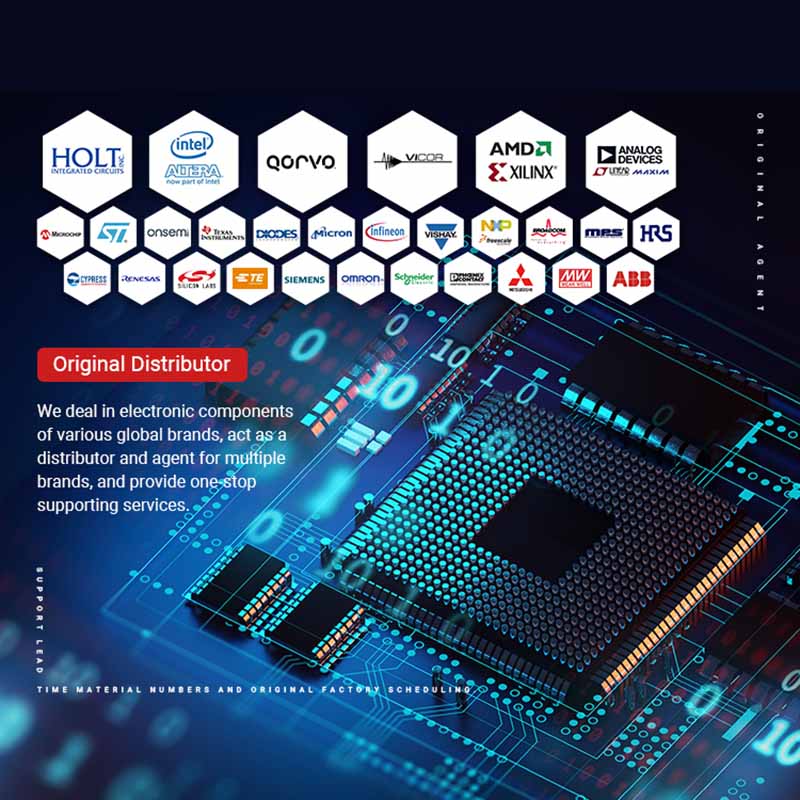
Industry giants such as Intel, Texas Instruments, Analog Devices, Microchip, ON Semiconductor, NVIDIA, Maxim Integrated, Infineon, NXP, and Micron provide high-performance, reliable, and innovative solutions that drive the development of next-generation medical devices. From high-precision processors and integrated circuit chips to energy-efficient power management solutions and advanced memory modules, these companies supply the critical components that enable smarter diagnostics, more precise therapeutic devices, and connected healthcare systems.
Choosing Your Reliable Medical Electronic Components Suppliers
Eastech Electronics is dedicated to providing global customers with a one-stop supply chain solution for electronic components. Our product portfolio includes integrated circuits, diodes, transistors, RF and wireless modules, sensors, and passive components, serving a wide range of industries such as automotive electronics, renewable energy, energy storage, industrial automation, communications, and medical devices.
Precision Genuine Components
As global component shortages continue to challenge manufacturers, Eastech stands out with its robust inventory and strong supply chain capabilities. We ensure a stable supply of medical electronic components, helping healthcare device manufacturers maintain uninterrupted production.
Quality Assurance
With nearly two decades of experience, Eastech has established a strong reputation for quality and reliability. Every component we provide meets rigorous quality standards, backed by advanced quality management systems.
Exceptional Customer Support
Our commitment goes beyond simply supplying components. Leveraging deep industry expertise and a pragmatic approach, our team is available around the clock to provide unparalleled technical support. We partner with you to overcome the challenges of medical device manufacturing with confidence and ease.
Timely Delivery
Facing rising component shortages and price fluctuations, Eastech ensures fast, reliable delivery, often exceeding expectations. Our efficient delivery help medical device manufacturers maintain production schedules.
In summary, as the medical industry advances, the demand for smarter, more precise, and reliable devices continues to grow. High-quality electronic components used in medical devices are the foundation for these innovations, enabling accurate diagnostics, effective therapies, and seamless patient monitoring. Partnering with trusted suppliers ensures medical device manufacturers can achieve cutting-edge solutions and uninterrupted production plan.
Related information
- 2026.08.09 What Are Automotive Chips?
- 2026.07.19 What is GDDR Memory?

- 2026.05.05 What are Inertial Measurement Units?